Almost nobody calls about a slow drip. It goes on the list, the list gets long, and the drip keeps going. That’s understandable, because a leaking faucet doesn’t feel urgent next to a broken lock or a vacant unit. The problem is that water is patient and buildings in New York are old. A drip that costs nothing to fix in March can turn into a drywall and flooring job by June, and by then it isn’t a plumbing call anymore. It’s three trades and a unit you can’t show. Minor plumbing repairs in New York apartments are the cheapest work on any building’s list, and they’re the work most often postponed. This article walks through where small leaks actually start, how fast they spread in prewar construction, what damage looks like at each stage, and how to tell the difference between something you can schedule and something you need handled this week. None of it requires a plumber’s license to understand.
Where Small Leaks Start in Older New York Buildings
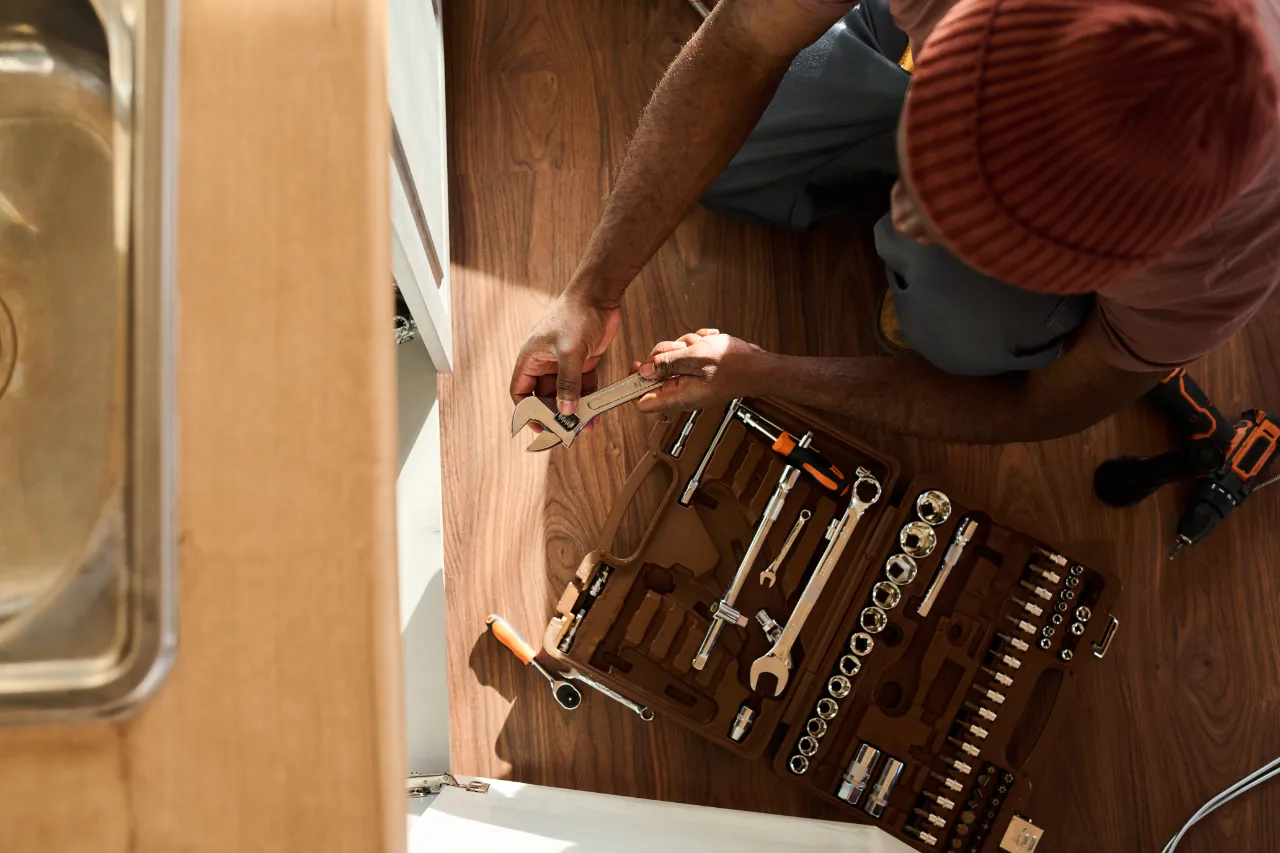
Most of them start in four places. Supply lines under sinks, where a compression fitting slowly weeps. Tub and shower surrounds, where old grout and failed caulk let water behind the tile. Toilet bases, where the wax ring gives up and water seeps into the subfloor instead of the bowl. And drain connections, where a slow clog puts pressure on a joint that was never great. None of these announce themselves. There’s no burst pipe and no flooding. There’s a slightly warped cabinet floor, a soft spot in the grout, or a faint smell nobody can place. In prewar buildings with original plumbing, these are normal wear items, not disasters. They only become disasters when they run for months.
How Fast the Damage Spreads
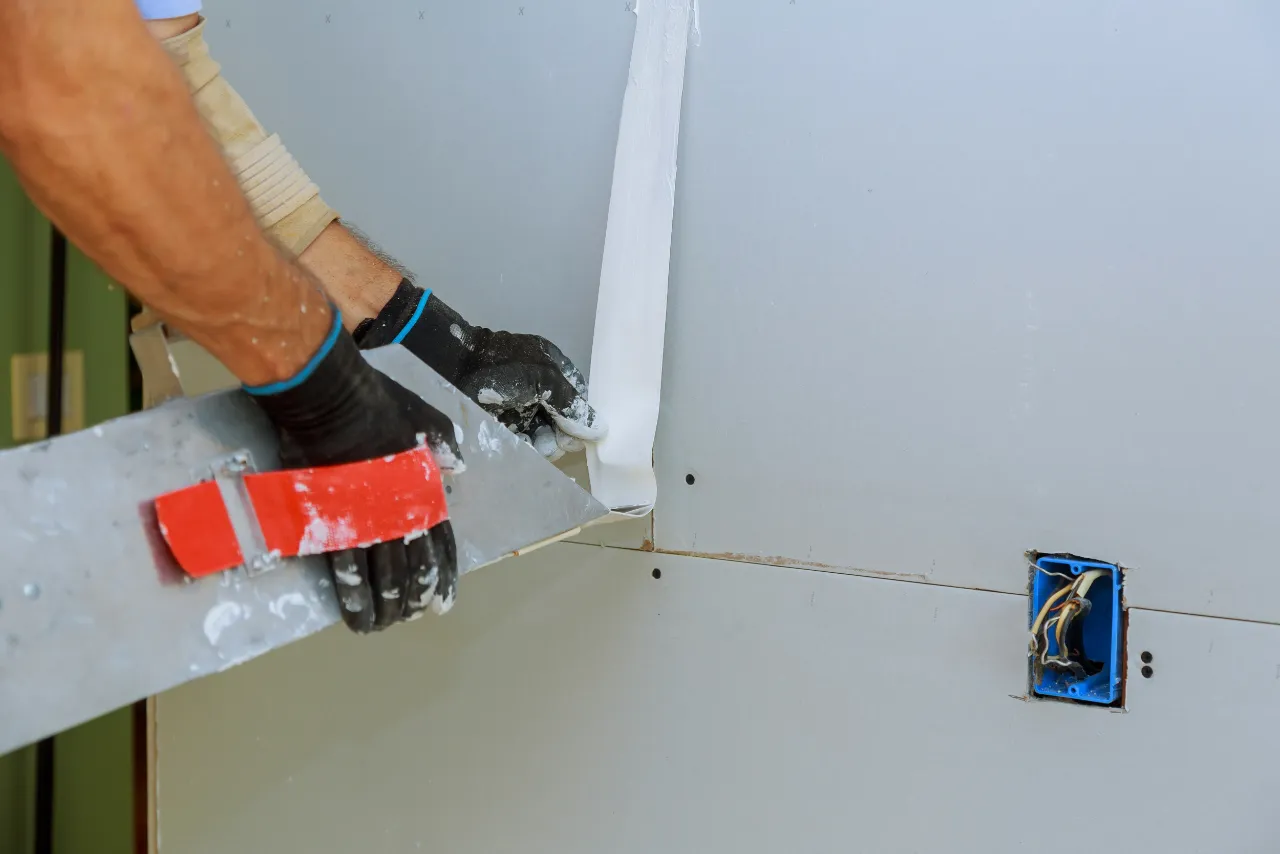
Faster downward than sideways, which is why leaks so often show up as somebody else’s problem. Water follows the path of least resistance, so a leak on the fourth floor frequently appears as a ceiling stain on the third. By then it has already traveled through subfloor, joists, and ceiling assembly. Drywall absorbs it, holds it, and loses structural integrity. Wood flooring cups and lifts. Paint bubbles. In the right conditions, mold takes hold in the cavity where nobody can see it. The repair scope grows with each stage. A fitting is a small job. A fitting plus drywall plus paint is a bigger one. Add flooring and you’ve lost the unit for a week.
What It Looks Like at Each Stage
Early, it’s cosmetic and easy to miss. A dark ring under a supply line. A cabinet base that feels slightly soft. Grout that’s darker in one corner. Mid stage, the evidence moves outward: a stain on a ceiling below, baseboards that swell, a door that suddenly sticks because the frame moved. Late stage is unmistakable and expensive. Flooring lifts at the seams, drywall crumbles when you press it, and there’s a smell that paint won’t cover. The practical takeaway is that the early signs are boring. They don’t look like emergencies, which is exactly why they get skipped. Train your super or your walkthrough crew to note them anyway.
What to Schedule and What to Handle Now
A dripping faucet, a running toilet, or a slow drain can go on the schedule. They’re wear items and they’ll wait a week without turning into anything. Anything with visible water on a surface it shouldn’t be on gets handled immediately. That means a ceiling stain that’s growing, a soft floor, water pooling under a cabinet, or a tenant reporting a smell. The other rule worth following: if the same fixture has been repaired twice, stop repairing it. Replace it. And when the leak is fixed, make sure somebody actually checks the drywall behind it. Fixing the plumbing and leaving wet material in the wall just delays the second call.