If you own or manage a building in New York, you already know the pattern. The same hallway door sticks every winter. The same ceiling stain comes back three months after somebody painted over it. The same tenant emails about the same slow drain. You pay somebody, it gets fixed, and then it comes back. That is not bad luck and it is not a bad contractor. It usually means the repair addressed the symptom and nobody looked at what caused it. Preventive maintenance for apartment buildings in New York exists precisely because older buildings fail in predictable patterns. Steam heat swells doors. Salt and freeze cycles work into masonry. Original plumbing sweats and drips long before it bursts. Once you know the pattern for your building, most of those calls stop being emergencies and start being scheduled work. This article covers why repeat repairs happen, what they really cost you, and what a maintenance schedule looks like when somebody actually builds one.

The Repair You Keep Paying For Is Usually a Symptom
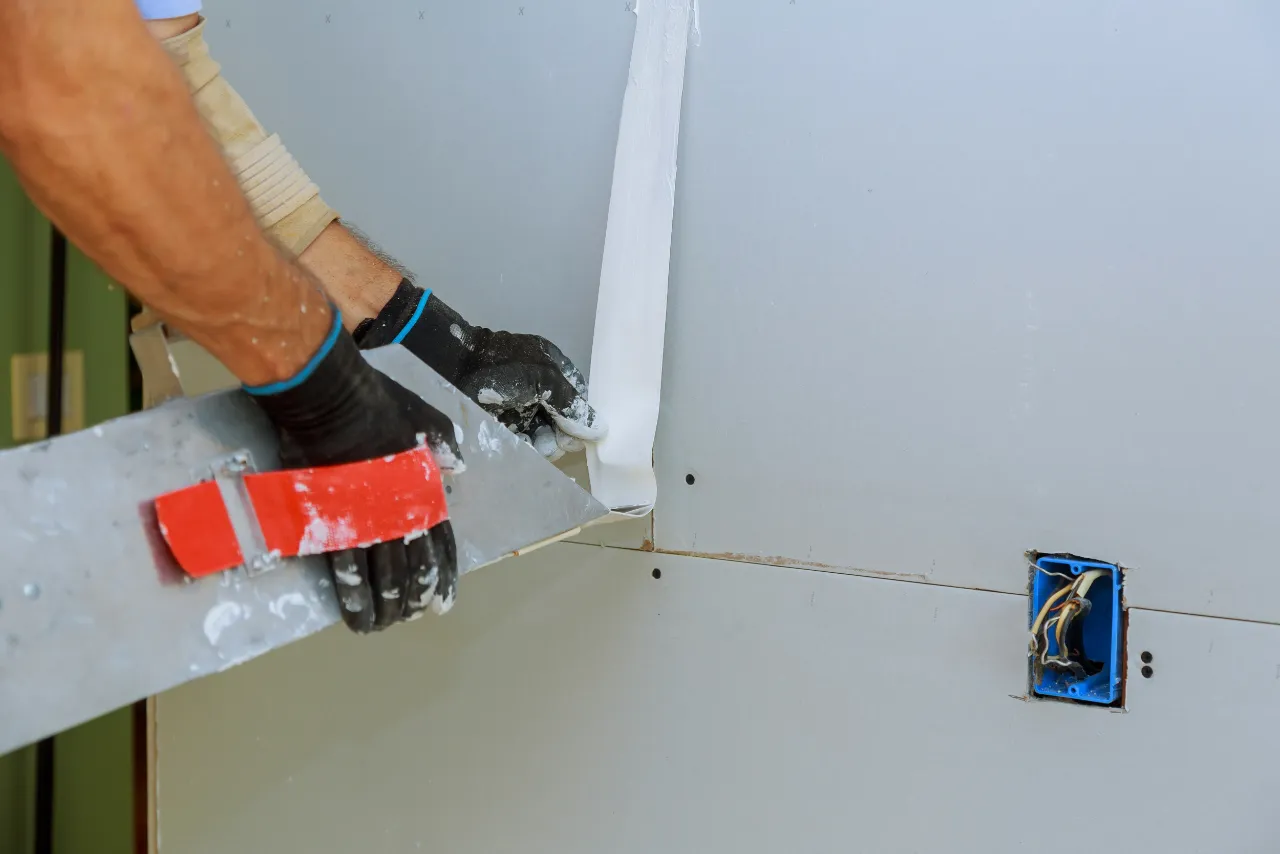
A sticking door is rarely about the door. It’s usually a frame that moved, a hinge that loosened, or a floor that settled. Patch the door and it sticks again next season. A ceiling stain isn’t a paint problem either. Something above it is wet, and paint just hides the evidence for a few months. This is the single most expensive habit in building maintenance: paying repeatedly for the visible half of a problem. A crew that only gets called when something breaks has no reason to look upstream. They fix what you pointed at, they invoice, they leave. The next call comes anyway. The fix is not a better patch. It’s having somebody walk the building on a schedule, with the authority to say the real problem is two floors up.
What Deferred Maintenance Actually Costs in a New York Building
The cost is never just the repair. Start with the repeat visits, because paying four times for the same drywall patch adds up faster than most owners track. Add the damage that spreads while nobody looks. A small leak reaches the drywall, then the trim, then the flooring. What started as a fifteen minute fix becomes a unit that can’t be shown. Then add vacancy. Every day a unit sits unrentable in New York is money that does not come back. And add the tenant side, which owners tend to underestimate. Tenants who file the same complaint three times don’t renew. Turnover costs cleaning, repairs, listing time, and usually a concession. Deferred maintenance doesn’t save money. It moves the cost somewhere harder to see on a spreadsheet.
What a Preventive Maintenance Schedule Looks Like
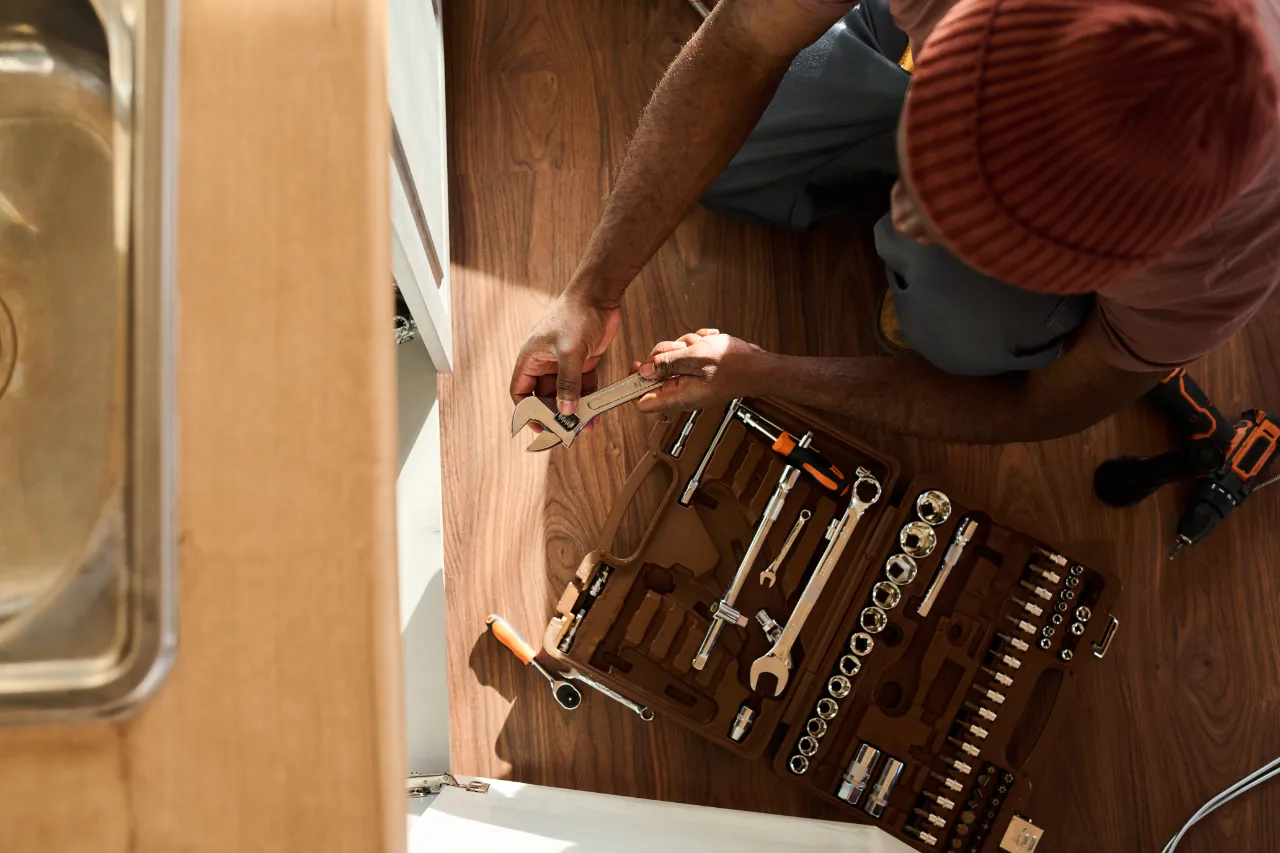
It’s less complicated than most owners expect. Somebody walks the building on a fixed interval, weekly, monthly, or quarterly depending on the age and the unit count. They check the same list every time: common areas, stairwells, laundry rooms, utility closets, visible plumbing, hallway lighting, door hardware, and anything that moved since the last visit. Small items get handled on the spot. Bigger items get quoted before they become urgent. The part that makes it work is documentation. You get a record of what was checked and what changed, so the next visit doesn’t start from zero. After two or three cycles, patterns show up. You stop reacting to your building and start planning around it, which is the entire point.
Who Should Own the Schedule
Somebody has to, or it quietly stops happening. In smaller buildings that’s usually the owner. In larger portfolios it’s the property manager. Either way, the schedule needs one person who sees the reports and one crew that shows up. The crew part matters more than people think. When the same team walks the building every time, nobody re-explains where the shutoffs are, which unit has the temperamental lock, or why the third floor radiator gets checked first. That institutional memory is what turns a maintenance visit from an inspection into actual work. If you’re juggling four vendors for maintenance, repairs, cleaning, and exterior work, consolidating is usually the fastest improvement available. One contact, one schedule, one invoice.