Everybody agrees a unit should be clean at move-out. Almost nobody agrees on what that means, which is why security deposit arguments are so common. A tenant vacuums, wipes the counters, and considers it done. A landlord opens the oven, pulls out the refrigerator, and considers it barely started. Both are being reasonable by their own standard, and neither standard was written down. Move-out cleaning in New York is a specific scope of work, not a thorough version of regular cleaning. It targets exactly the places a walkthrough inspection looks, which are almost never the places a weekly clean touches. This article lays out what a real move-out cleaning covers room by room, what separates it from general cleaning, what landlords actually check during the final walkthrough, and how the timing should work relative to repairs. It applies whether you’re the tenant protecting a deposit or the owner trying to relist quickly.

Move-Out Cleaning Versus General Cleaning
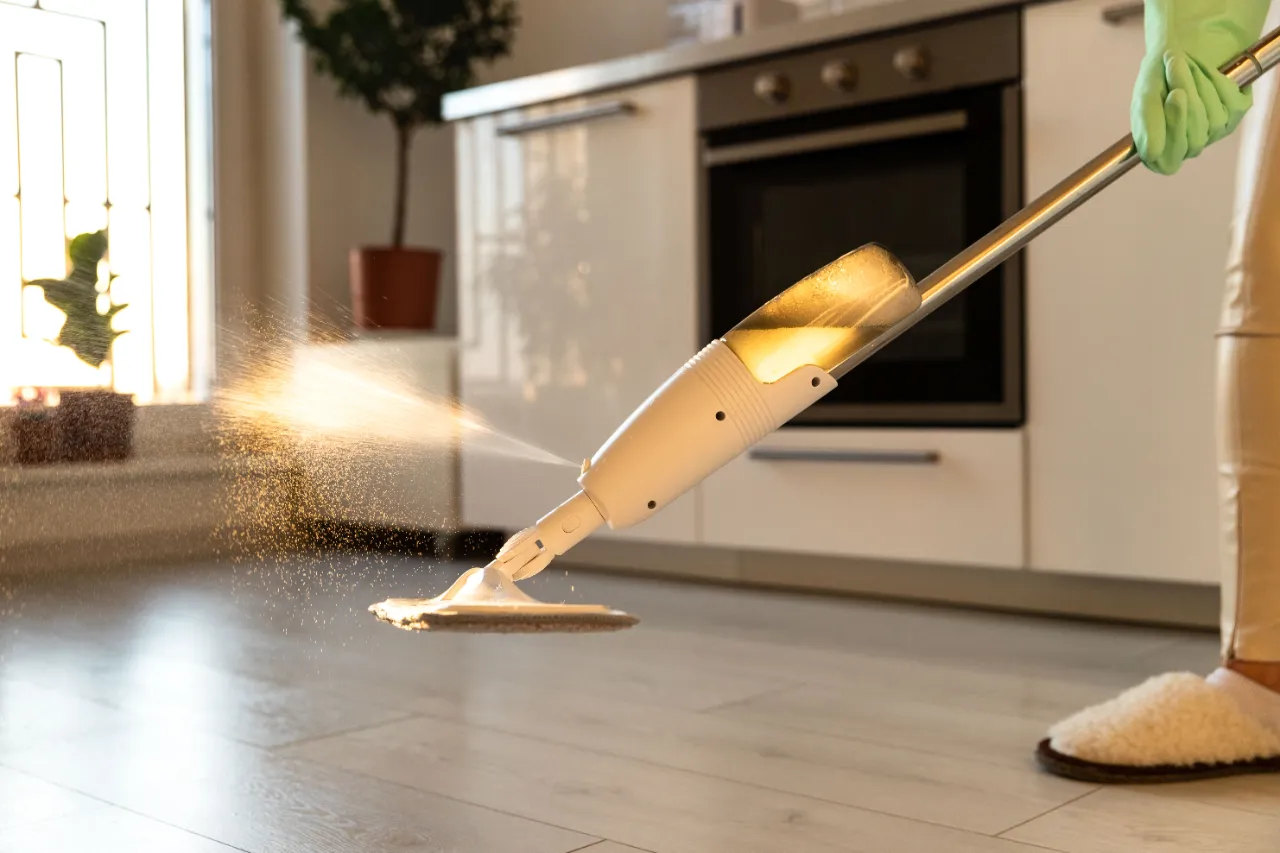
General cleaning maintains a unit somebody lives in. It’s surfaces, floors, bathrooms, kitchen counters, and trash. It assumes the space gets used again tomorrow, so it doesn’t chase what’s behind or underneath anything. Move-out cleaning assumes the opposite. Nobody lives there, everything is empty, and the point is to return the unit to a condition somebody would accept sight unseen. That means interiors, not just surfaces. Inside the oven, inside the refrigerator, inside cabinets and drawers and closets. Behind appliances that get pulled out. Window tracks, switch plates, baseboards, and door frames. It takes substantially longer than a general clean, and it should. Anyone quoting the two at the same price is quoting the same job twice.
The Room-by-Room Scope
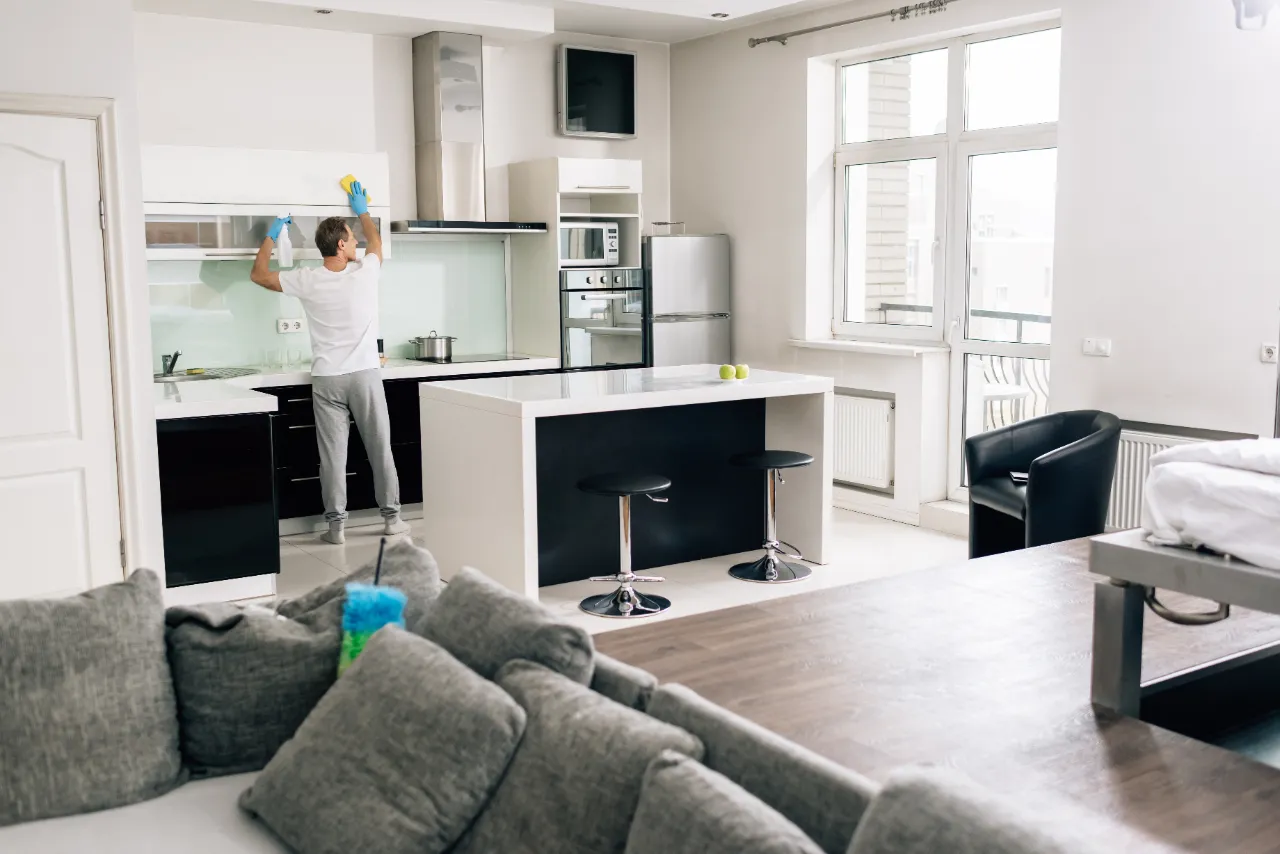
Kitchen is the heaviest room and the most inspected. Oven interior, stovetop, range hood and filter, refrigerator interior and coils, inside every cabinet and drawer, and degreasing of backsplash and cabinet faces. Bathrooms come second: tub and shower including grout, toilet base and behind it, vanity interior, mirrors, and exhaust fan cover. Bedrooms and living areas are lighter but detail-heavy, meaning closets, shelving, window tracks, sills, baseboards, switch plates, and door frames. Floors get treated last and appropriately to the material. The pattern is consistent: everything a person opens, everything a person looks behind, and every horizontal surface that collects dust in a unit nobody has been cleaning for two weeks.
What Landlords Actually Check
Walkthroughs are more predictable than tenants expect. The oven gets opened. The refrigerator gets opened, including the drawers. Cabinets and closets get opened, because that’s where the previous tenant’s leftovers live. Bathroom grout and the toilet base get looked at closely, since both are obvious and both are unpleasant to inspect. Then it’s the details: window tracks, baseboards, switch plates, and light fixtures. Almost all deposit disputes come from that second group. The unit looks clean at a glance, and then somebody runs a finger along a window track. Knowing the list ahead of time is most of the advantage, whether you’re cleaning it yourself or hiring it out.
Timing It Around Repairs and the Walkthrough
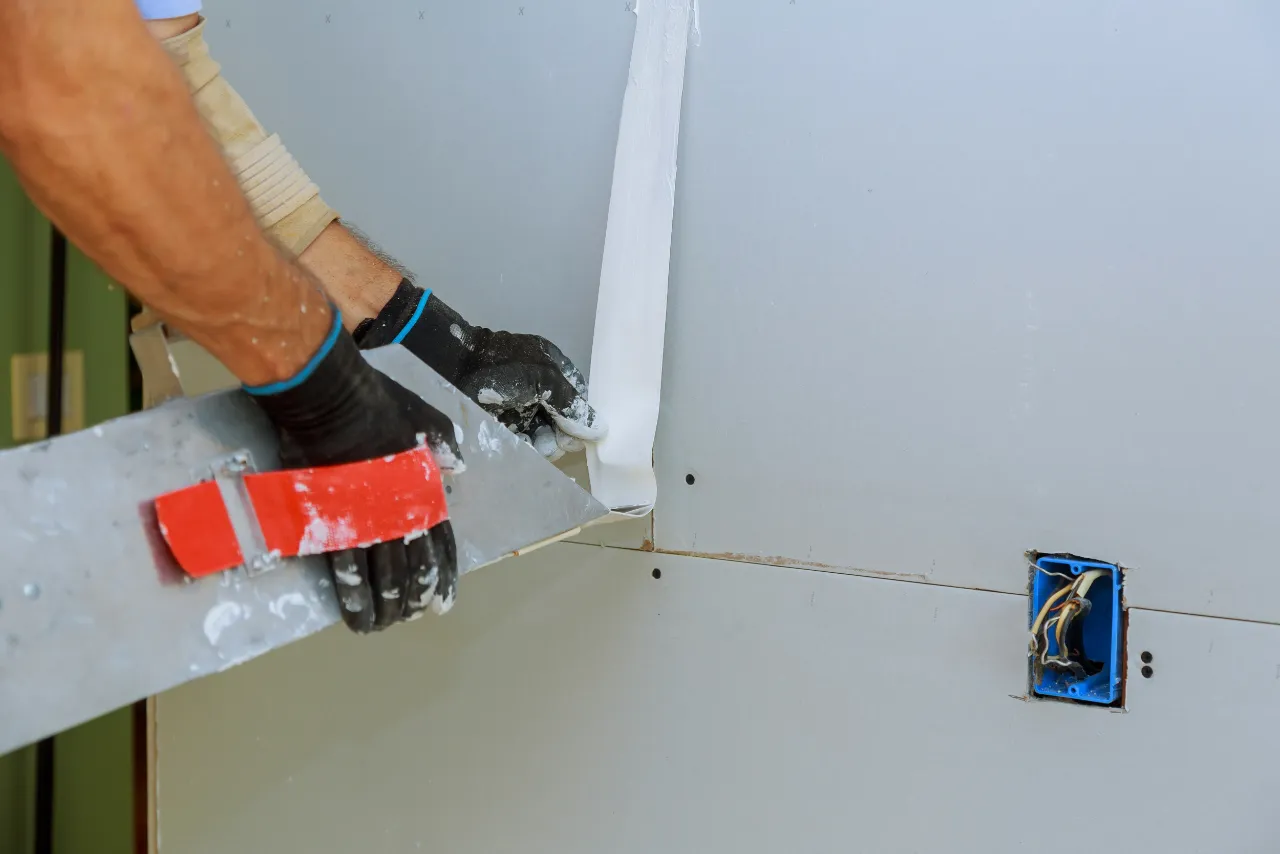
Sequence matters and it’s where most turnovers go wrong. Repairs come first, always. Patching, painting, and any flooring work generate fine dust that settles into vents, window tracks, and fixtures for days afterward. Cleaning before the repairs finish means cleaning twice and paying twice. Post-repair cleanup comes next, then the move-out clean, then the walkthrough. Book the cleaning against the walkthrough date, not the move-out date, because those are often a week apart. And leave a buffer day. Units that get cleaned the morning of an inspection tend to have one room that got rushed, and it’s always the room somebody checks.